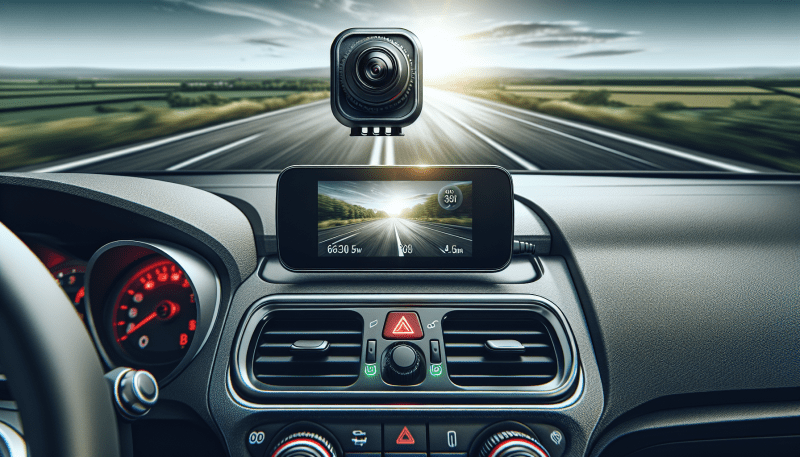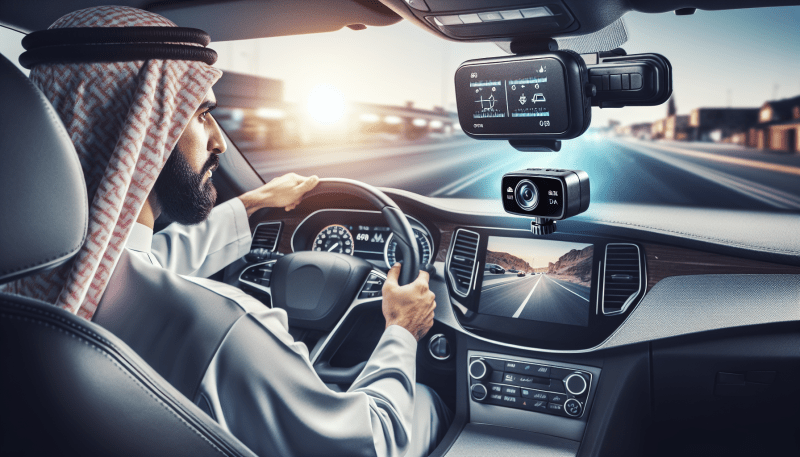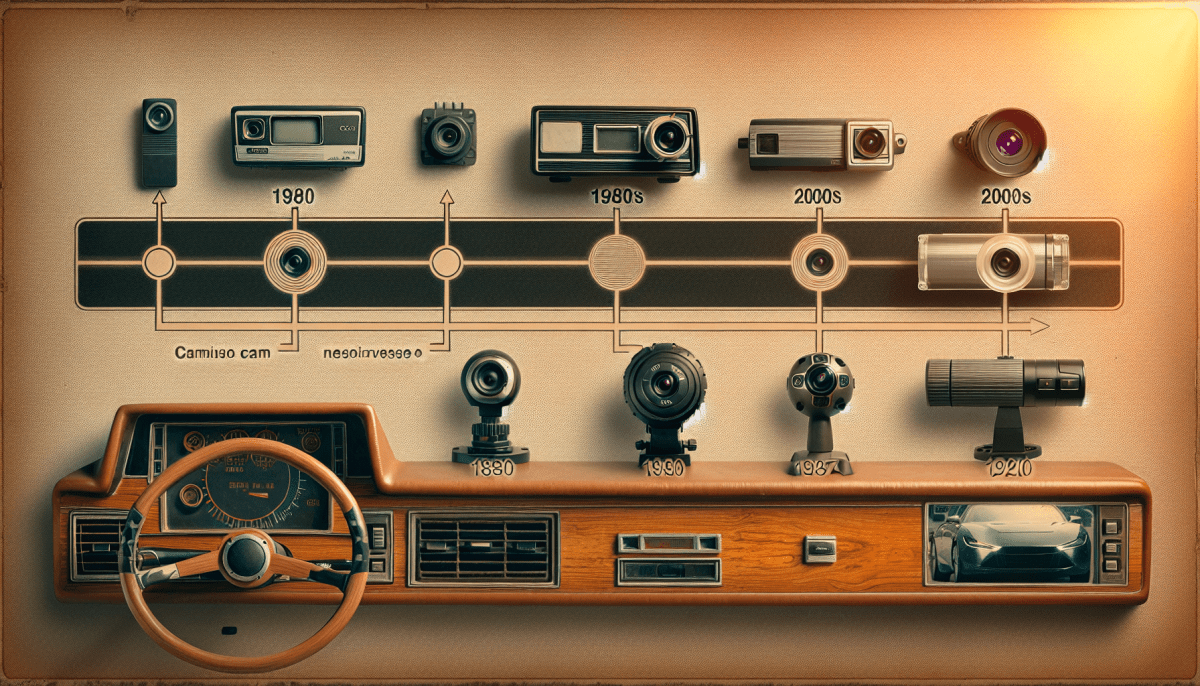
Dashboard cameras, or dash cams, started appearing in cars back in the early 2000s. They were pretty basic, mainly used in police vehicles or for insurance purposes. At that time, the idea was simple: capture video evidence in case of accidents or disputes.
These early models weren’t fancy. They had limited storage and video quality that didn't always meet today's standards. Most people didn’t really know about them. They were more like a tool for law enforcement than something every driver considered essential.
As technology improved, dash cams became smaller, cheaper, and more user-friendly. People started seeing the benefits. Imagine having video proof to back up your story in a fender bender or a parking lot mishap! It’s no wonder many drivers began to feel it was a smart investment for peace of mind.
Slowly but surely, the dash cam movement started to grow. By the late 2010s, more models hit the market, featuring better video quality, night vision, and even GPS tracking. They shifted from being a niche product to something regular drivers initially wanted and then realized they couldn't live without.
Key Features That Changed the Game
When it comes to dashboard cameras, the key features really define how they’ve evolved over the years. It’s not just about recording; it’s about enhancing your driving experience and protecting you on the road. Let’s dive into the standout features that have changed the game.
First up is high-definition video quality. Early dash cams struggled with grainy footage that hardly captured what was happening. Now, many models boast 1080p and even 4K resolution, which means you get clear, crisp video. This clarity can make all the difference in an accident scenario when every detail matters, from license plates to road signs.
Next, let’s talk about advanced driver assistance systems (ADAS). Cameras now come with smart features like lane departure warnings and collision alerts. These are like having an extra set of eyes on the road, helping you stay alert and reducing the chances of an accident. It’s a huge leap from just having a camera on your dash to having a tool that actively helps you drive safer.
Don’t forget about connectivity options! Many modern dash cameras connect to your smartphone via Wi-Fi or Bluetooth. This makes it super easy to preview recordings, tweak settings, or share footage directly on social media. You can quickly show off that wild moment or keep records handy when you need them. Convenience is key!
Lastly, built-in GPS tracking is a total game changer. This feature logs your speed and location, which can be incredibly helpful in case of disputes or insurance claims. It gives you peace of mind knowing that there’s solid evidence to back up your side of the story. And who wouldn’t want that?
How Technology Made Dash Cams Smarter
Dash cams have come a long way since they first hit the market. Early models were pretty basic, just recording whatever happened in front of your vehicle. But thanks to advances in technology, today’s dash cams are getting smarter and way more efficient at keeping you safe on the road.
One big change is the addition of GPS. Modern dash cameras now track your location and speed while recording. This can provide crucial evidence in case of an accident, letting you show exactly where you were at the time. No more disputes over who was driving where; the GPS data tells the story!
Then there’s the introduction of features like collision detection and parking mode. Many dash cams can automatically start recording when they sense a sudden impact. If someone bumps your car while you’re parked, you’ll have a video of the whole incident. This can save a ton of headache when it comes to insurance claims.
Smartphone connectivity is another game-changer. With Wi-Fi or Bluetooth features, you can easily download footage right to your phone or view it live. Check out the footage while you’re still at the scene of an accident—super handy for sharing with insurance or law enforcement.
All these tech upgrades don’t just improve video quality; they also ease your mind. Knowing that your dash cam offers more than just basic recording helps you feel secure while driving. You can focus on the road, knowing you've got your back covered!
The Future of Dash Cameras and Safety
Dash cameras are no longer just a cool gadget for car enthusiasts. They’ve evolved into essential safety tools for everyday drivers. As we look to the future, it’s clear that these little devices will only get smarter. Imagine dash cams equipped with artificial intelligence that can detect potential hazards before they happen. These features could alert drivers to sudden braking or pedestrians stepping into the road.
Another exciting trend is enhanced connectivity. Soon, dash cameras will sync seamlessly with smartphones and other devices. You'll be able to access footage in real-time, share it with insurance companies instantly, or even livestream your drives. This connectivity means you can keep your family informed during road trips or just show off your adventurous side.
Let’s not forget about advanced night vision. New technologies are emerging that will make it easier to capture clear footage in low-light situations. This is especially important for late-night drivers who want to ensure their safety. With better visibility, dash cams will be able to provide crucial evidence in case of an accident during the dark hours.
We’ll also see a rise in features like cloud storage. Instead of just saving footage on the device, having access to the cloud makes it easy to store, manage, and retrieve video clips securely. If someone else hits your car, knowing the footage is safe in the cloud gives peace of mind.